Multiple Serial Devices
Two field devices need independent serial settings while sharing a practical Ethernet edge connection.
Bring RS232, RS485 and RS422 field equipment onto IP networks for centralized monitoring and remote access.
Build a documented serial-to-Ethernet path with independent serial channels, the correct TCP or UDP role and verified protocol-conversion requirements.
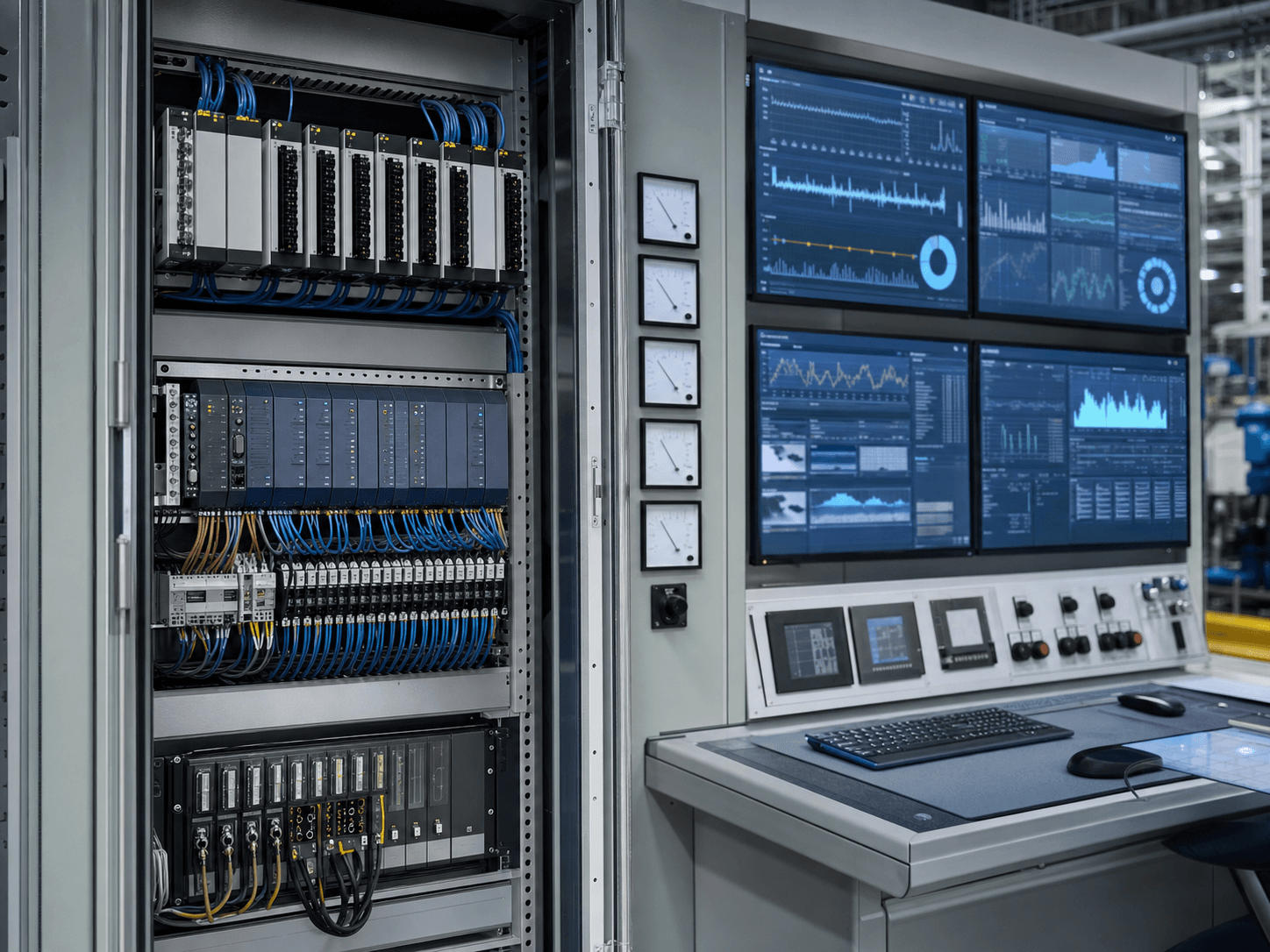
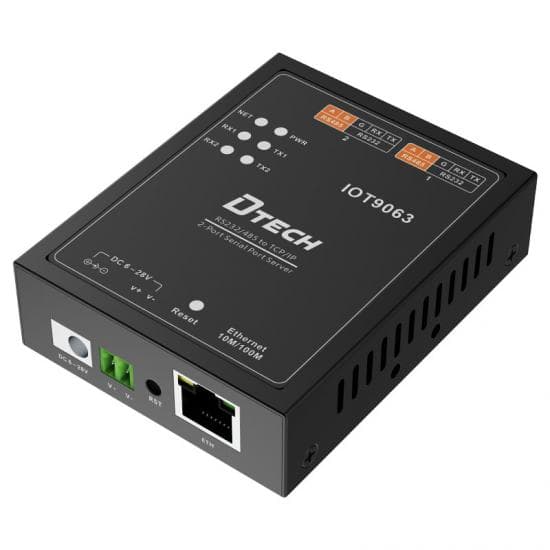
Two field devices need independent serial settings while sharing a practical Ethernet edge connection.
TCP Server, TCP Client and UDP modes create different connection ownership and delivery behavior.
Transparent serial transport and Modbus protocol conversion must be selected and configured as different roles.
Power, grounding, protection, temperature and network-security requirements shape the final product choice.
Use the interface and network constraint to define each connection layer before selecting a model.
Meters · PLCs · Controllers
Interface · Framing · Protocol
Transparent transport or gateway
Ethernet monitoring and control
Only products with confirmed data and active detail pages are presented.

Connects one RS422 or RS485 field interface to Ethernet with DIN-rail mounting and verified DC 9–40V or PoE power options.
Connects two independent RS232 or RS485 channels to one 10/100M Ethernet uplink.
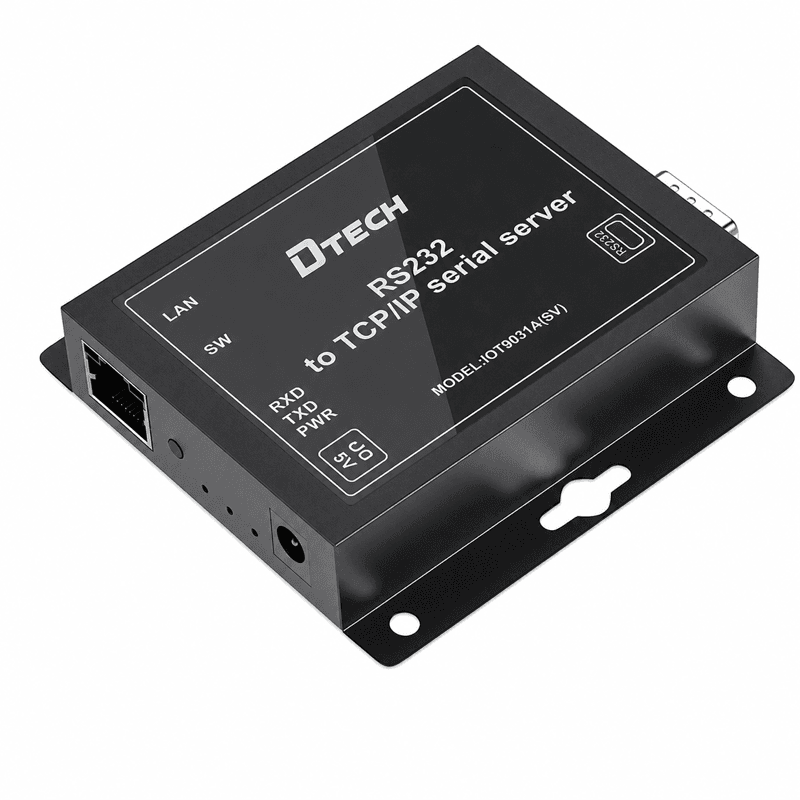
Connects RS232, RS485 or RS422 equipment to Ethernet when multi-standard interface flexibility is required.
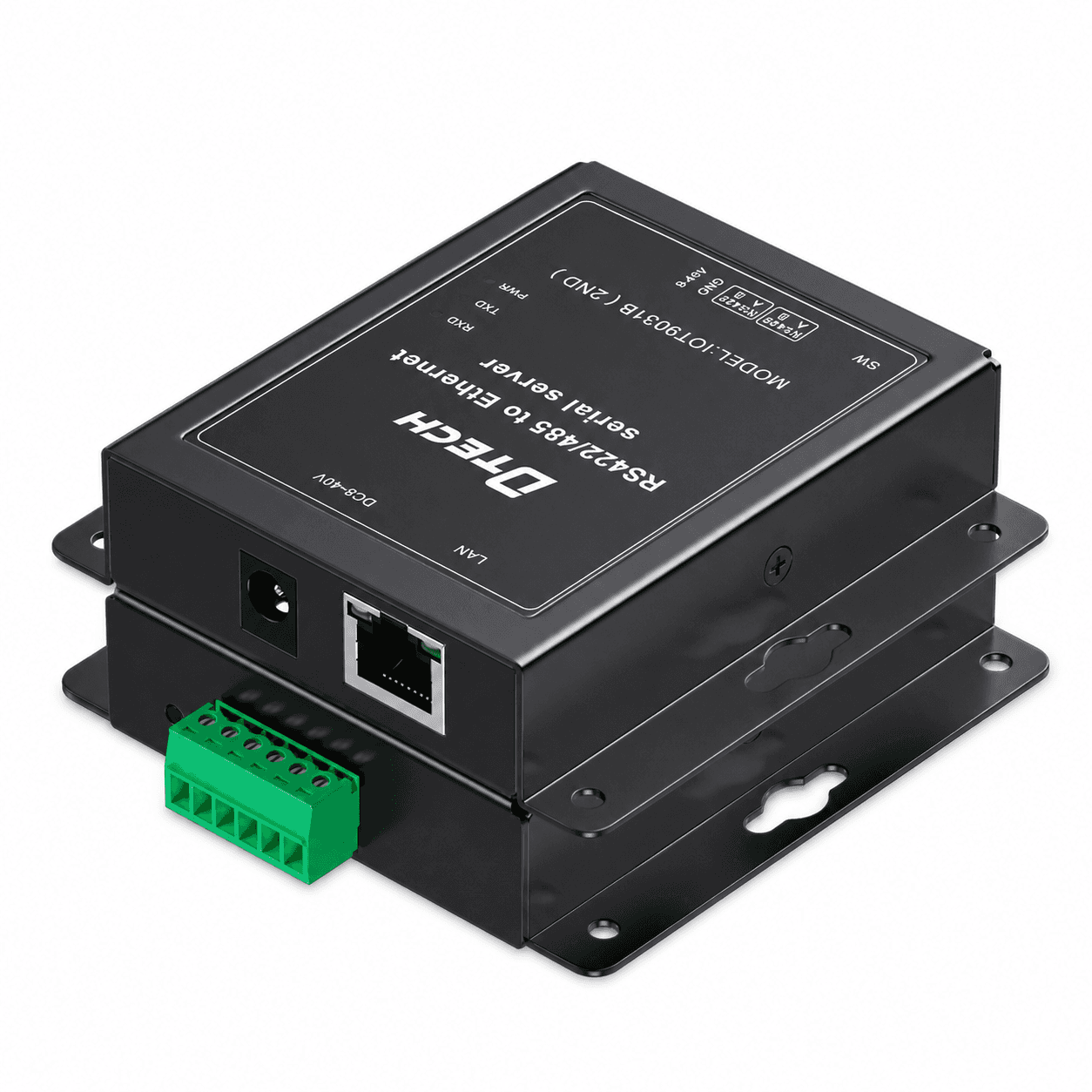
Bridges RS422/RS485 field data to Ethernet for centralized monitoring.
Start with the operating environment, installed interfaces and required communication path.

Connect two nearby RS232 or RS485 devices through independent channels and one Ethernet uplink.
Discuss This Application
Bring controller and meter data to an IP-based management system.
Discuss This ApplicationAccess compatible serial equipment from a documented host application over the site network.
Discuss This ApplicationTurn interface choices into measurable project outcomes and a clearer delivery plan.
Connect existing field equipment to modern monitoring networks without replacing proven devices.
Create a clearer, protected data path across demanding industrial environments.
Select verified product roles around the interface, distance and installation constraints.
Add endpoints and network segments without redesigning the entire system.
Use repeatable architectures to accelerate product selection and commissioning.
Share project requirements with DTECH for model confirmation and connection guidance.
Compare standards-based PoE, non-standard powering and local DC before commissioning a DIN-rail serial-to-Ethernet link.
Plan independent serial channels, select TCP or UDP roles and compare dual-port with single-port architectures.
Separate transparent serial transport, electrical interface conversion and application-protocol conversion.
Browse verified DTECH serial-to-Ethernet products by interface, channel count and installation requirement.
Share your interfaces, communication distance, network type and installation environment. DTECH will help confirm the product roles and next selection step.