Uncontrolled Star Wiring
Passive branches and long stubs create multiple reflection paths and make termination locations difficult to control.
Replace uncontrolled passive stars and long stubs with a documented active multi-branch RS485 architecture.
Distribute one upstream serial connection across two, four or eight field branches while matching isolation, interface, baud-rate and branch-count requirements.

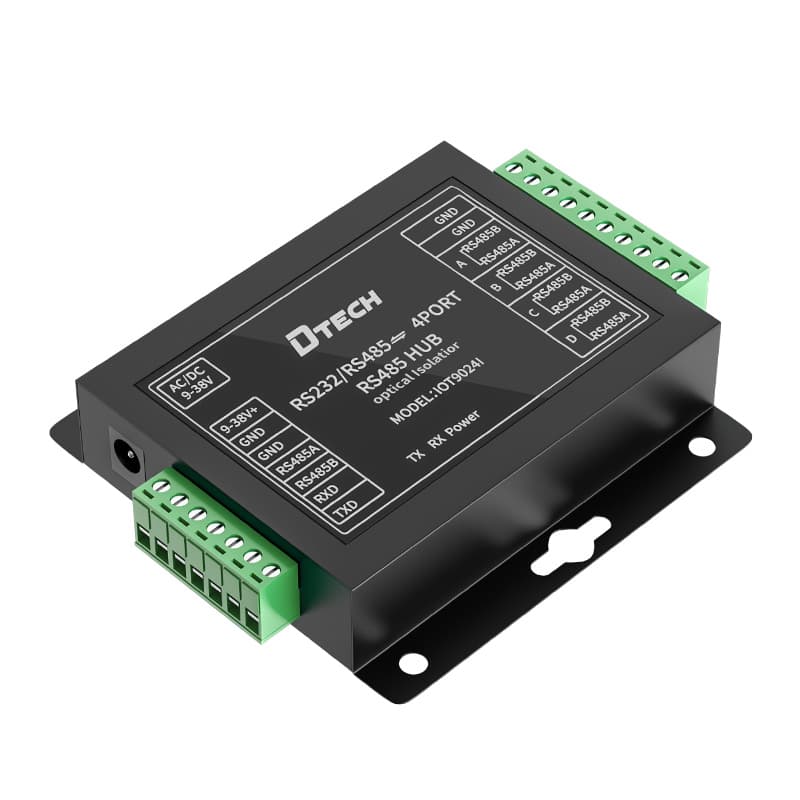
Passive branches and long stubs create multiple reflection paths and make termination locations difficult to control.
A short circuit, open circuit or wiring mistake on one shared segment can interrupt communication across the wider installation.
Production cells, cabinets and remote device groups may have different grounding and interference conditions.
Adding devices without recording interface, baud rate, branch count and termination creates commissioning risk.
Use the interface and network constraint to define each connection layer before selecting a model.
PLC · Gateway · Host
Verified wiring and settings
Distribute · Isolate · Protect
Machines · Meters · Controllers
Only products with confirmed data and active detail pages are presented.
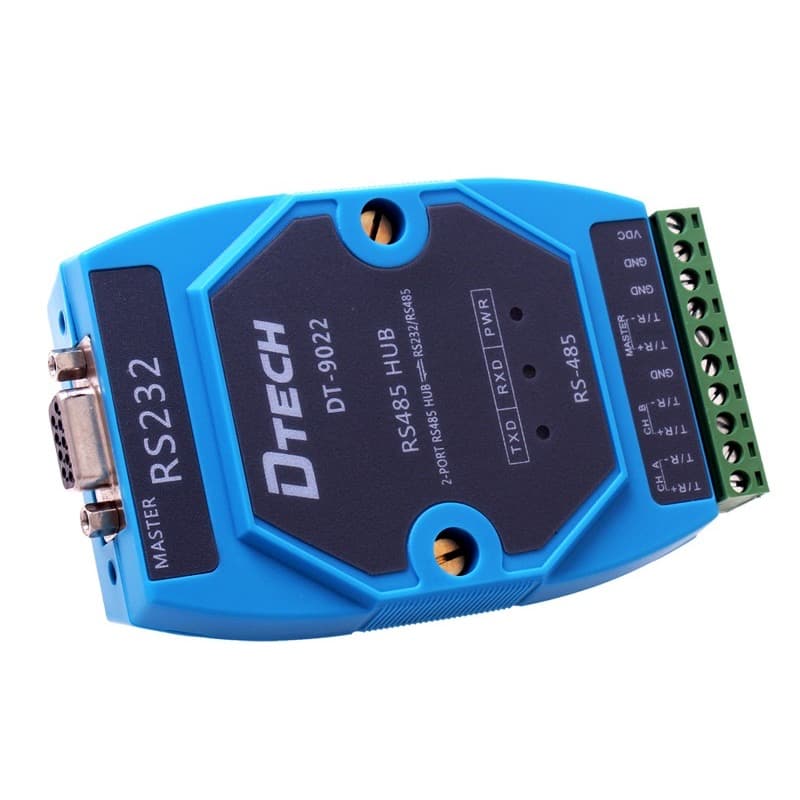
Segments and extends RS422/RS485 branches with industrial protection.
Isolates and distributes multi-branch RS485 networks.
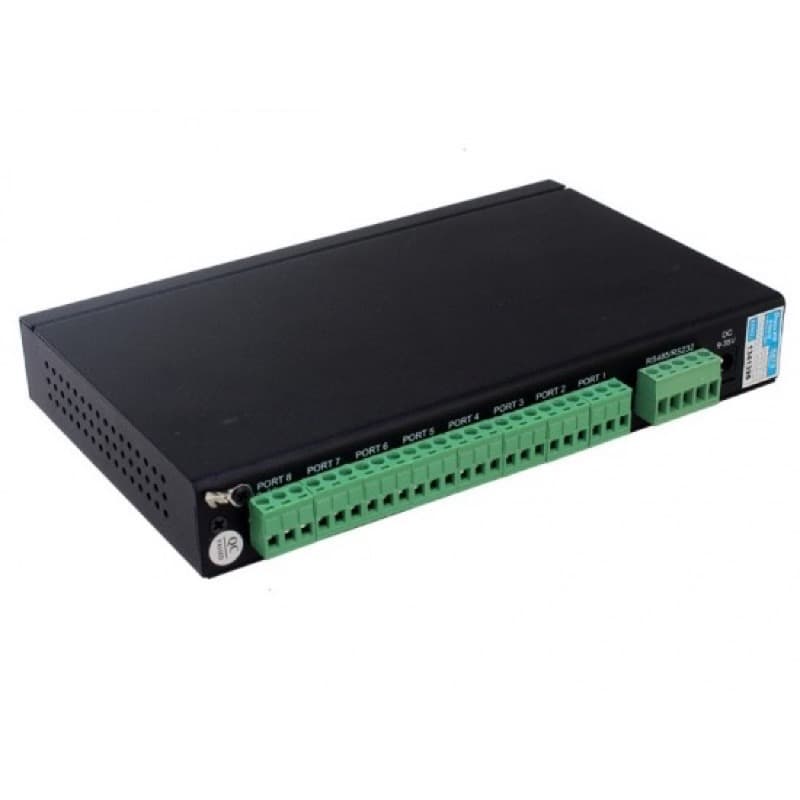
Distributes one RS232/RS485 main connection across eight protected RS485 branches.
Start with the operating environment, installed interfaces and required communication path.
Separate machine groups into defined RS485 branches while retaining one upstream controller.
Discuss This Application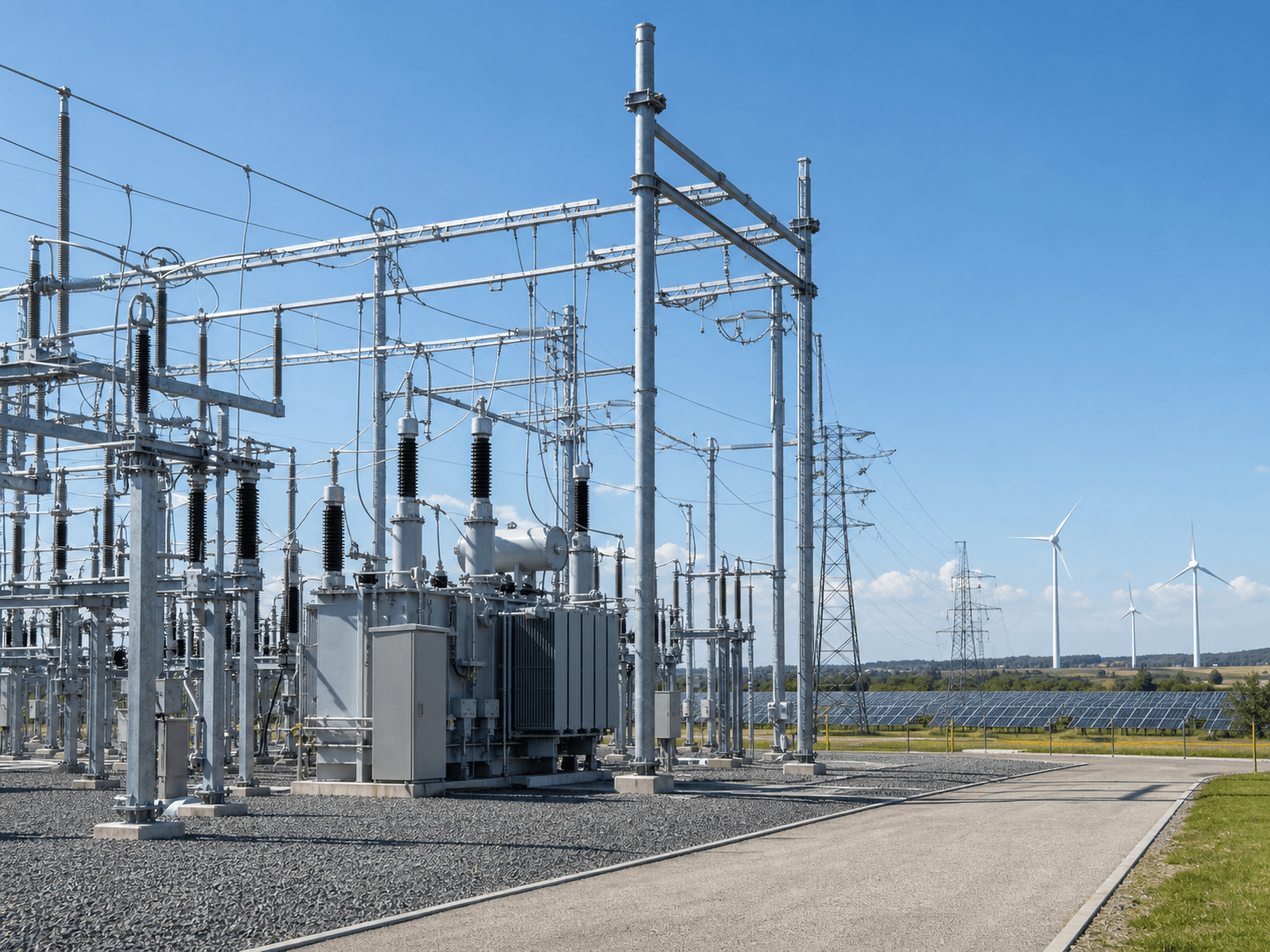
Route serial communication toward multiple meter groups with documented branch boundaries.
Discuss This Application
Divide access, metering and building-control equipment into maintainable field segments.
Discuss This ApplicationTurn interface choices into measurable project outcomes and a clearer delivery plan.
Turn an ad hoc star into defined active branches with clearer termination and cable boundaries.
Select a hub with verified branch protection when one segment must not interrupt the others.
Choose isolated branches where cabinets or device groups operate in different electrical environments.
Match two, four or eight branch roles to the physical layout instead of adding passive junctions.
Document settings and test each branch independently before bringing the full network online.
Share the bus interface, baud rate, device count, cable routes and environment with DTECH for model confirmation.
Compare daisy-chain, passive star and active multi-branch architectures, then select the right product role.
Diagnose polarity, serial settings, termination, grounding and interference before changing the topology.
Browse verified DTECH products for branch distribution, isolation and industrial serial expansion.
Share your interfaces, communication distance, network type and installation environment. DTECH will help confirm the product roles and next selection step.