Legacy Device Integration
Installed RS232, RS485 and RS422 devices cannot connect directly to modern IP networks.
Connect meters, substations and remote field assets across reliable wired and wireless data links.
Support distributed monitoring where distance, electrical interference and site access shape the network architecture.
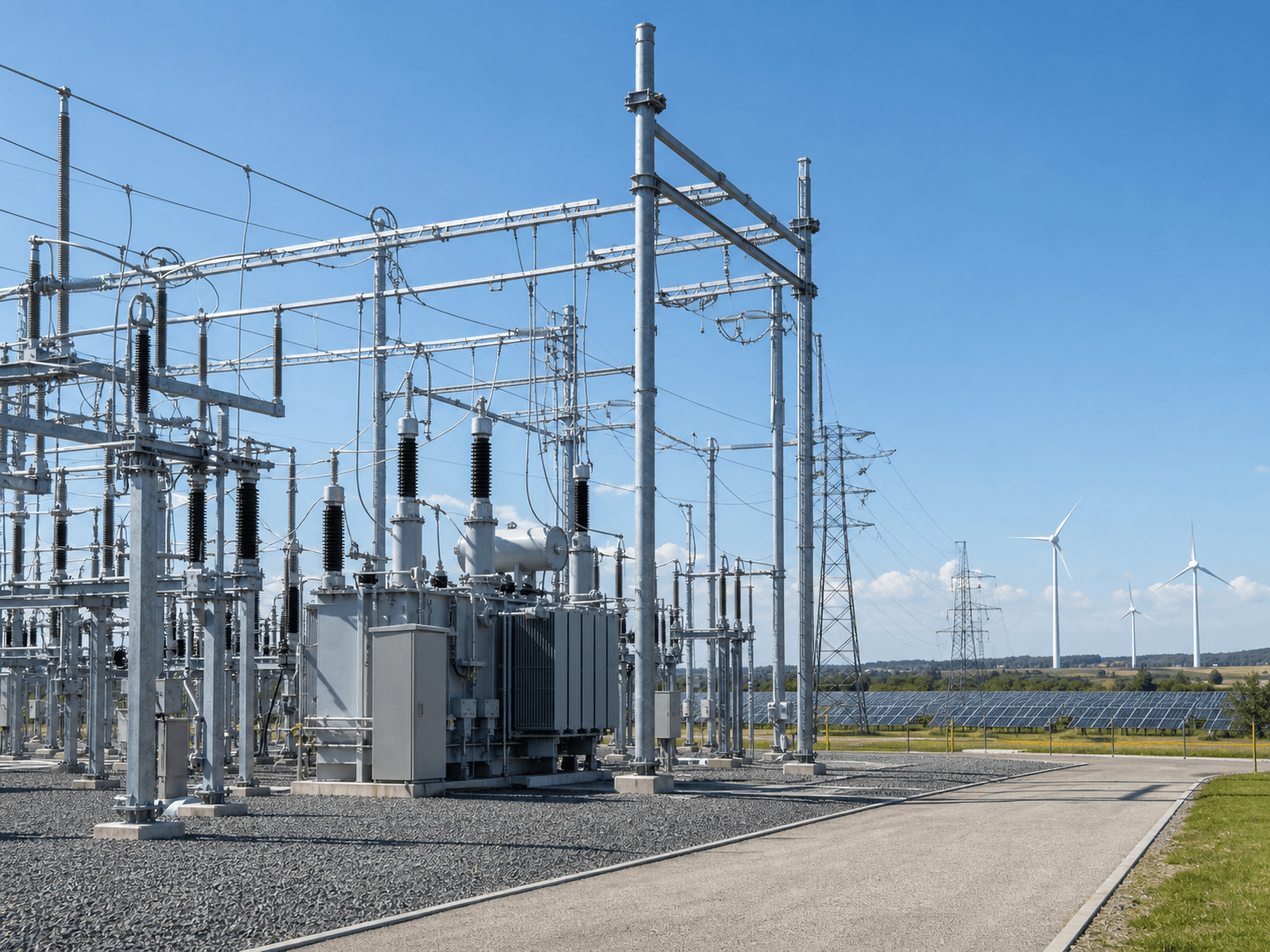
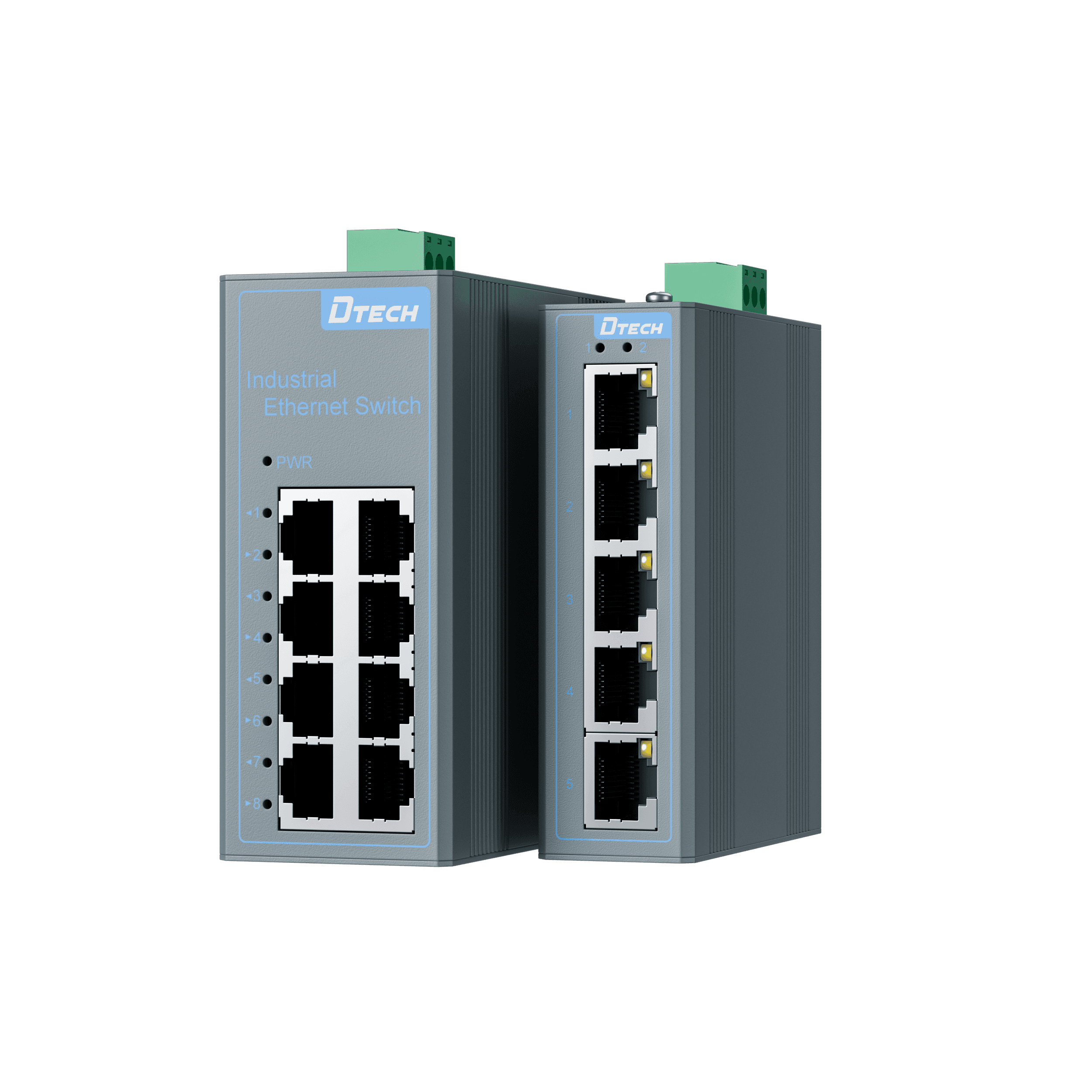
Installed RS232, RS485 and RS422 devices cannot connect directly to modern IP networks.
Long cable routes and distributed equipment increase signal and installation risk.
Different interfaces, branches and protocols make expansion and troubleshooting slower.
Electrical noise and ground potential differences can interrupt critical field data.
Use the interface and network constraint to define each connection layer before selecting a model.
Distributed field data
Isolation · Wireless · Server
Ethernet · Wireless
Monitoring · Alarms
Only products with confirmed data and active detail pages are presented.
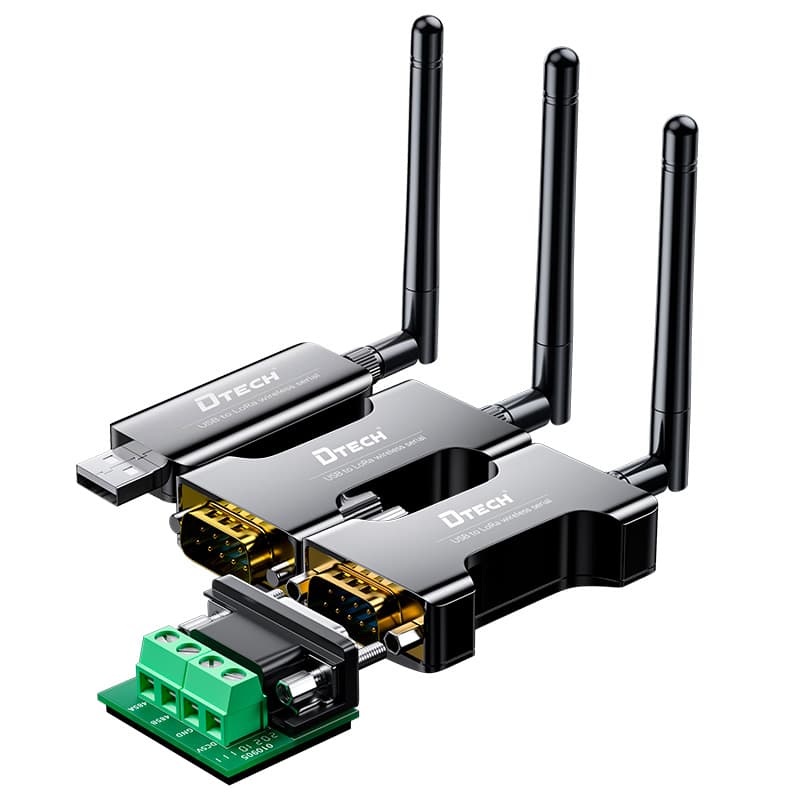
Extends serial communication wirelessly across dispersed or difficult-to-wire sites.
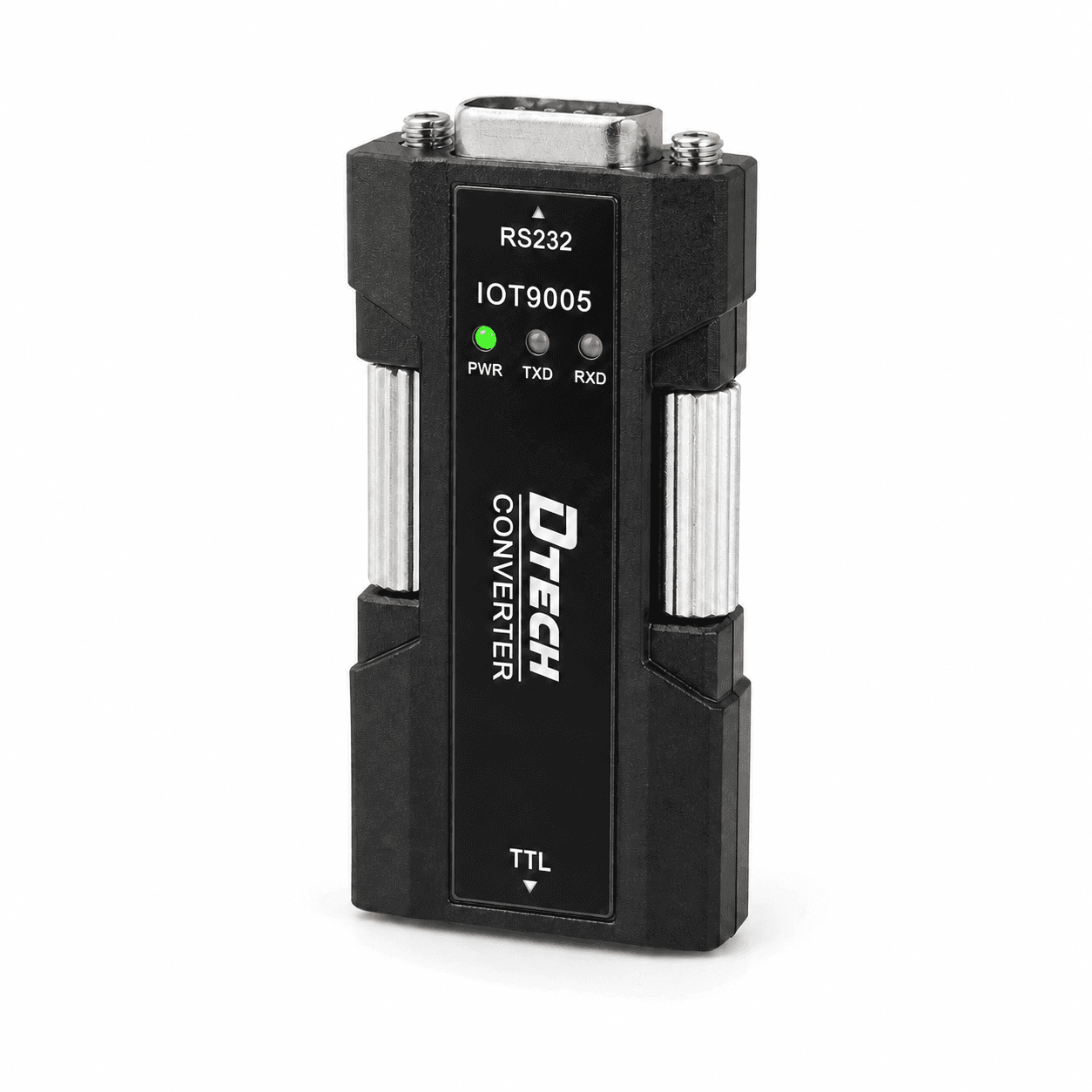
Converts and isolates RS232 signals for embedded and field equipment integration.
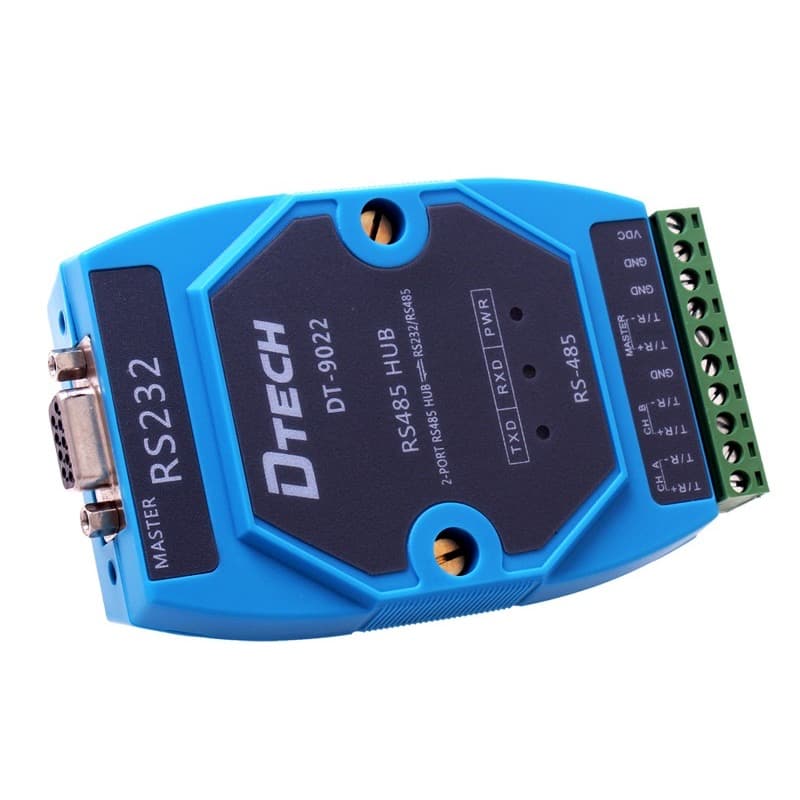
Segments and extends RS422/RS485 branches with industrial protection.
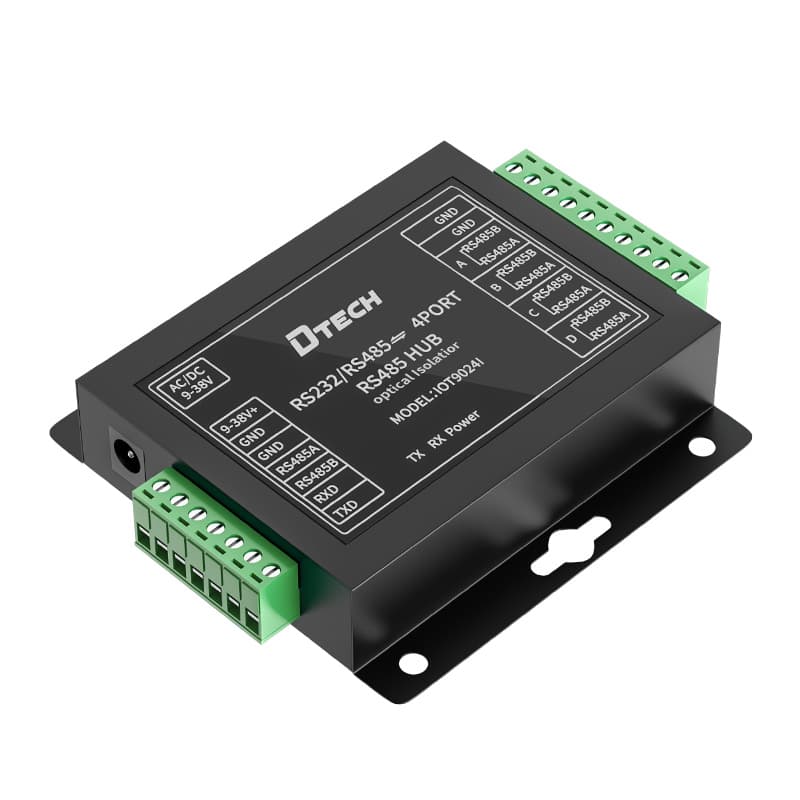
Isolates and distributes multi-branch RS485 networks.
Start with the operating environment, installed interfaces and required communication path.
Collect serial data in electrically demanding sites.
Discuss This Application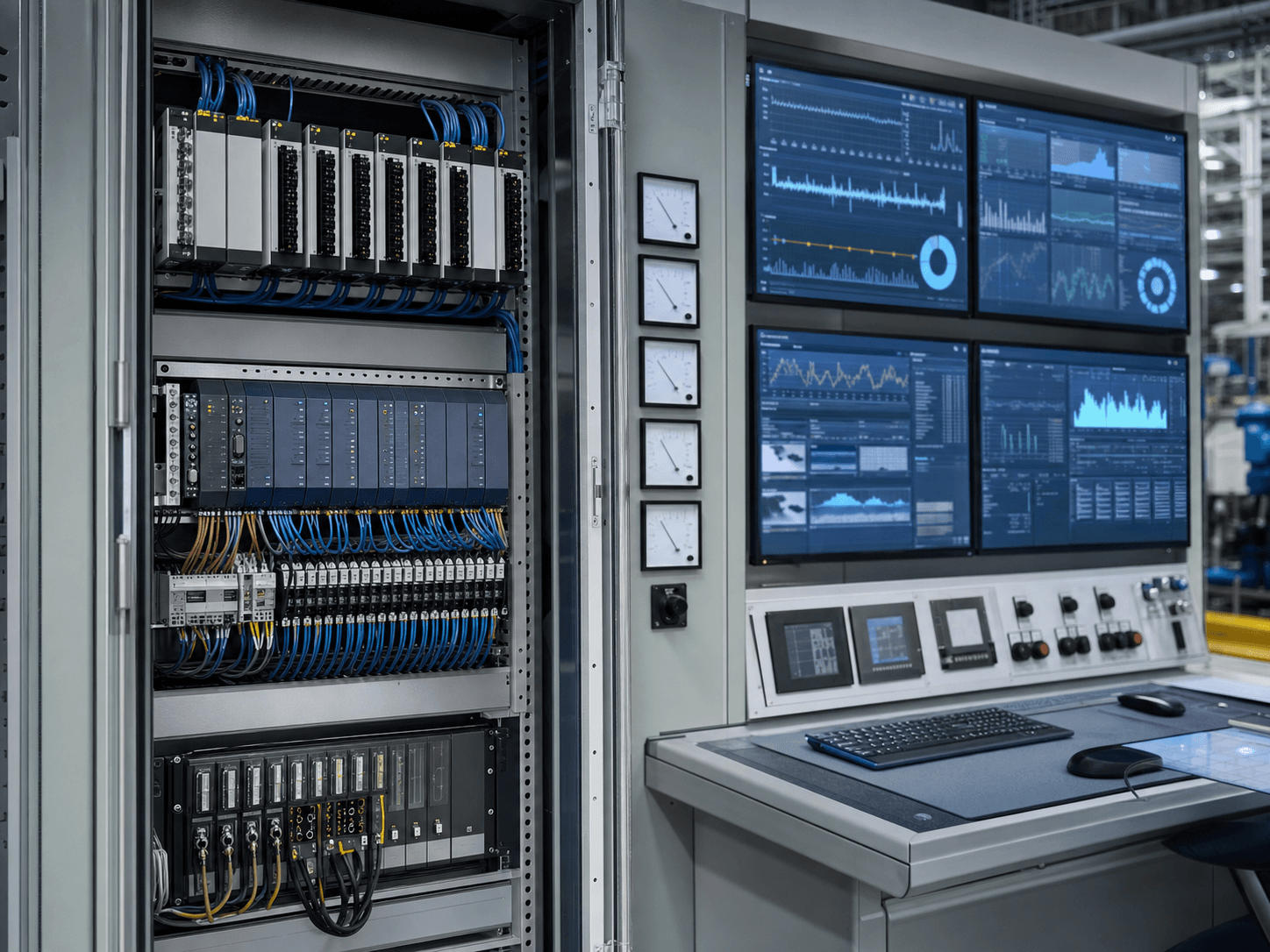
Connect dispersed meters without extensive new cabling.
Discuss This Application
Bring field information into centralized operations.
Discuss This ApplicationTurn interface choices into measurable project outcomes and a clearer delivery plan.
Connect existing field equipment to modern monitoring networks without replacing proven devices.
Create a clearer, protected data path across demanding industrial environments.
Select verified product roles around the interface, distance and installation constraints.
Add endpoints and network segments without redesigning the entire system.
Use repeatable architectures to accelerate product selection and commissioning.
Share project requirements with DTECH for model confirmation and connection guidance.
Share your interfaces, communication distance, network type and installation environment. DTECH will help confirm the product roles and next selection step.