Impractical Cable Routes
Roads, existing structures and dispersed equipment can make a new RS485 or RS232 cable expensive or disruptive.
Connect distributed RS232 and RS485 equipment where trenching, road crossings or new long cable routes are impractical.
Plan the endpoint interfaces, point-to-point or multipoint radio topology, local RS485 branches, RF path and commissioning criteria before replacing a serial cable.

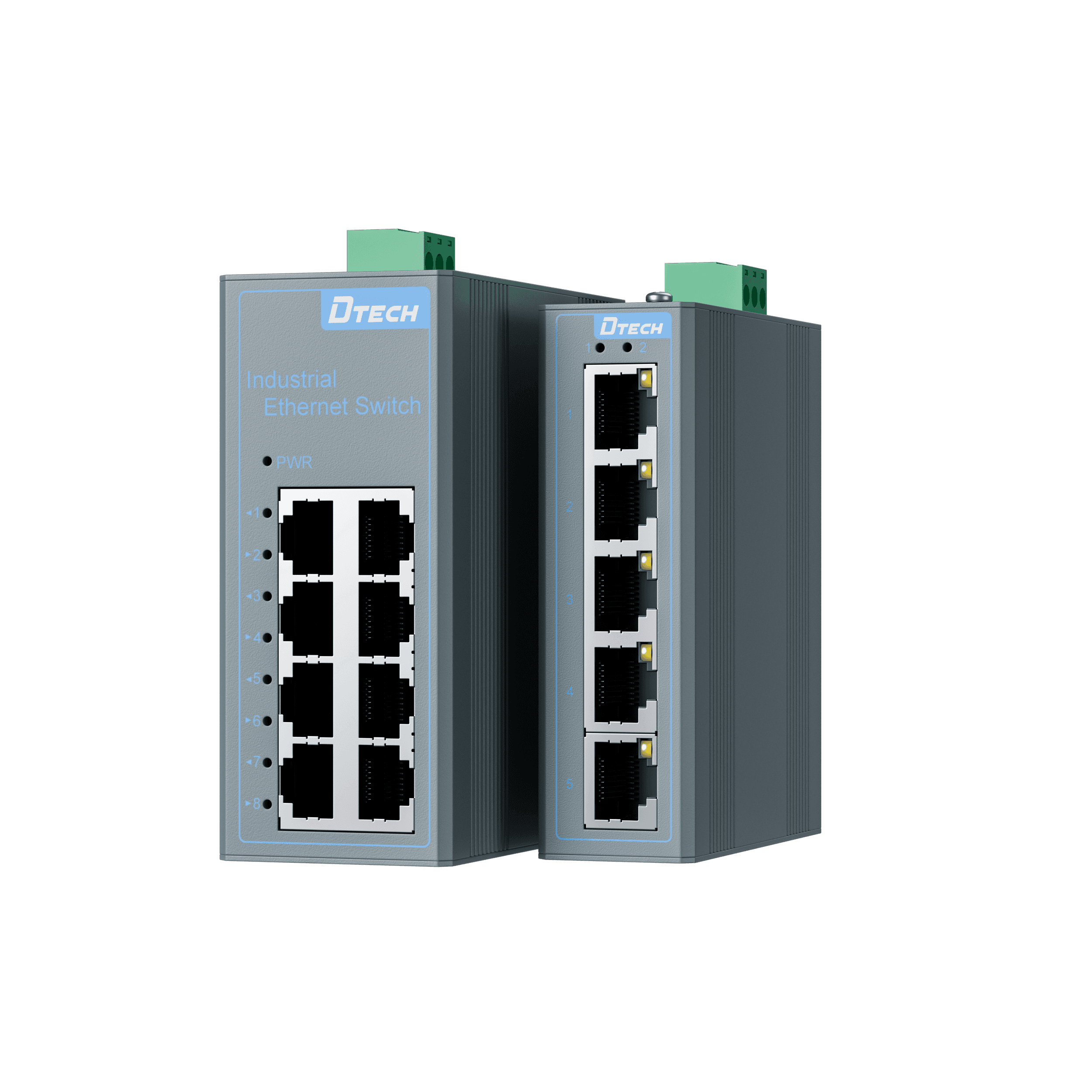
Roads, existing structures and dispersed equipment can make a new RS485 or RS232 cable expensive or disruptive.
Each location still needs the correct USB, RS232 or RS485 electrical interface even when the middle path becomes wireless.
Obstructions, antenna placement, interference and regional radio rules affect the usable link and must be checked on site.
Multiple field devices may require a controlled local bus or isolated hub rather than a passive wire split at the radio endpoint.
Use the interface and network constraint to define each connection layer before selecting a model.
Meter · PLC · Controller
USB · RS232 · RS485 variant
Point-to-point · Multipoint
Host or controlled RS485 branches
Only products with confirmed data and active detail pages are presented.
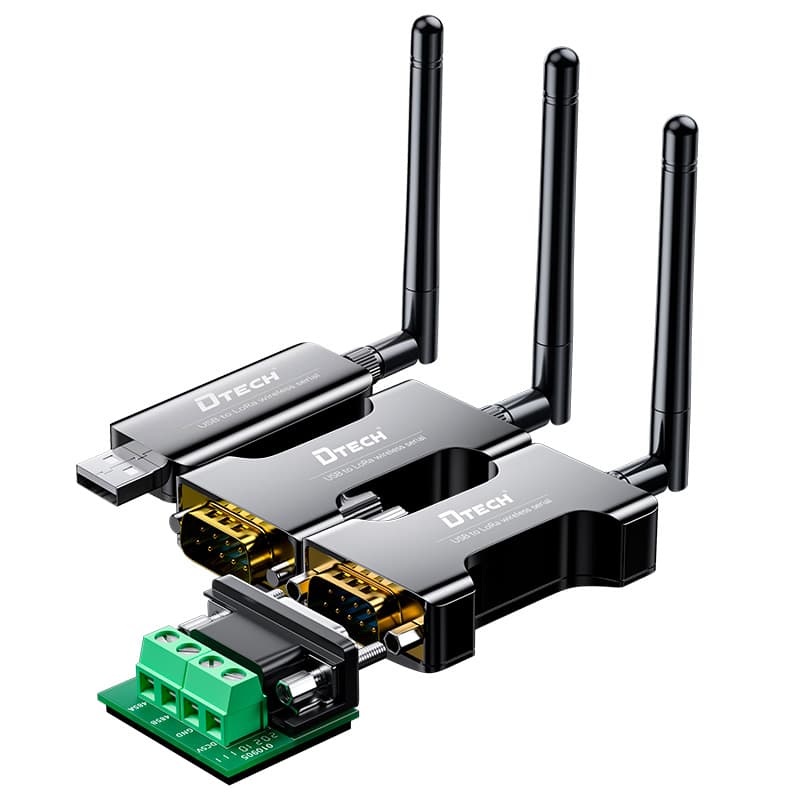
Extends serial communication wirelessly across dispersed or difficult-to-wire sites.
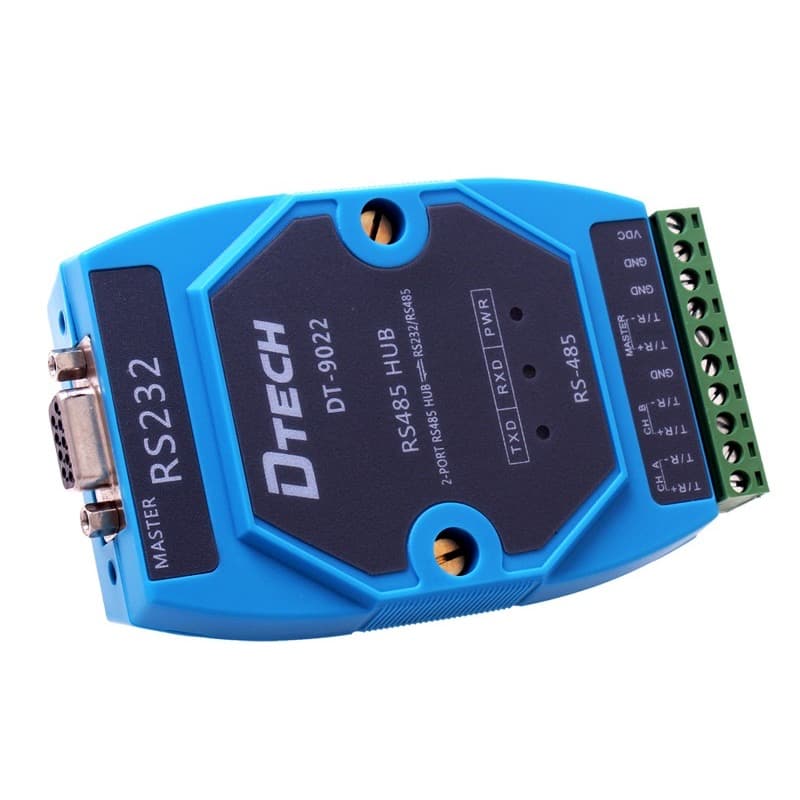
Segments and extends RS422/RS485 branches with industrial protection.
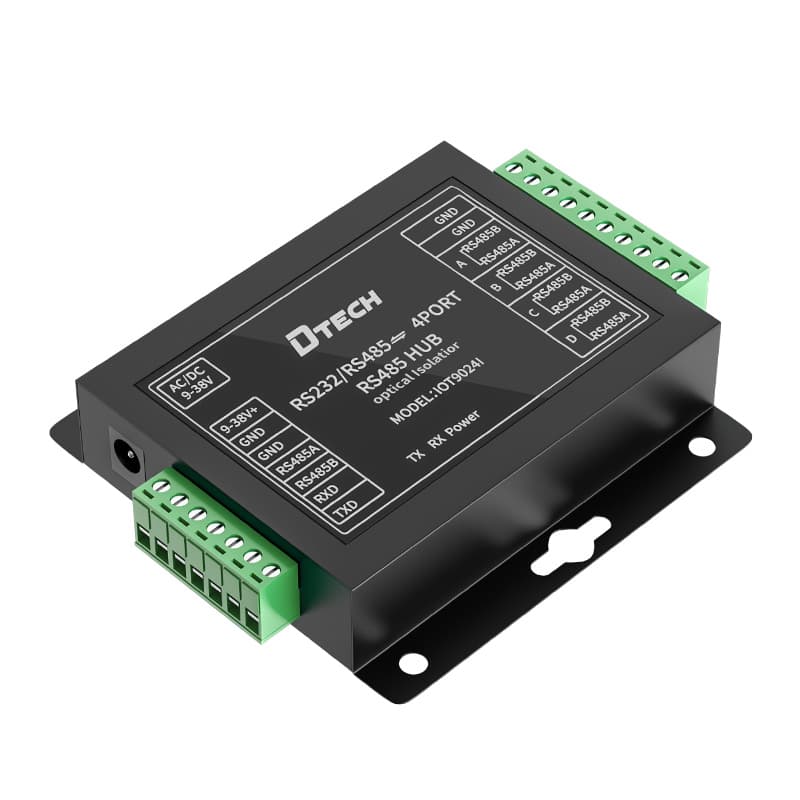
Isolates and distributes multi-branch RS485 networks.
Start with the operating environment, installed interfaces and required communication path.
Carry serial data between a monitoring location and dispersed meters after the RF route is commissioned.
Discuss This Application
Bridge a physical obstruction where a new buried or overhead serial cable is impractical.
Discuss This Application
Add a defined wireless hop while retaining compatible serial equipment and documented field settings.
Discuss This ApplicationTurn interface choices into measurable project outcomes and a clearer delivery plan.
Match each endpoint to its verified USB, RS232 or RS485 interface instead of treating every serial port as interchangeable.
Use point-to-point, point-to-multipoint or multipoint-to-multipoint roles where the selected product documentation and application support them.
Add two- or four-branch RS485 distribution only where local field devices require separate protected segments.
Verify serial timing and radio performance on the real route before retiring the existing cable path.
Use the documented TPUNB product role without requiring cellular coverage or a data card.
Share interfaces, topology, RF conditions and regulatory region with DTECH for model and architecture confirmation.
Plan endpoint variants, RF conditions, local branches, commissioning and product roles for a LoRa-based serial link.
Compare installation, serviceability and deployment constraints before adding a wireless hop.
Decide when a local endpoint needs defined active branches instead of a passive wire split.
Share your interfaces, communication distance, network type and installation environment. DTECH will help confirm the product roles and next selection step.